Table of contents
When most tourists call it a night, a different kind of city break begins, one powered by late trains, neon storefronts and kitchens that stay open until dawn, and it is increasingly shaping how destinations market themselves. From Europe’s “night mayors” to Asia’s 24-hour districts, nightlife is no longer a bonus, it is a major economic engine, and a safety challenge, for cities competing for visitors. The question is where to go, and how to do it well, without trading wonder for chaos.
After dark, cities make their money
Nightlife is not just a vibe, it is a balance sheet, and in many places it is measurable. In the United Kingdom, the Night Time Industries Association has repeatedly estimated the night-time economy at roughly £150 billion in annual activity and around 1.3 million jobs, figures that underline why local authorities take “after-hours” footfall seriously, even as venues struggle with rising costs. London’s own “night czar” role, created in 2016, was built on a simple premise: the city’s cultural brand depends on what happens after 11 p.m., and it needs governance, not just promotion.
Elsewhere, the same logic applies with different cultural codes. New York’s late-night subway service, Barcelona’s nocturnal dining culture, Seoul’s round-the-clock cafés and convenience stores, and Bangkok’s sprawling night markets all convert darkness into spending, and then into identity. For travellers, this matters because a city that functions at night is rarely improvising; it usually has transit options, staffing, lighting, policing strategies and a hospitality ecosystem that makes the experience smoother. That ecosystem is also fragile, because crowd surges, short-term rentals and social media “hotspots” can overwhelm neighbourhoods, and then trigger restrictions that change the character of a district within a single season.
The smartest “never sleep” destinations are therefore the ones that pair ambition with management: late public transport, clear zoning, noise enforcement that is predictable rather than arbitrary, and enough legitimate venues to prevent street drinking from becoming the default. If you are choosing where to go, look beyond the headline party reputation and read the city’s signals, because a well-run night is usually visible in boring details: how easy it is to get home at 2 a.m., whether taxis are regulated, and whether venues advertise responsible entry policies instead of chaos as a selling point.
The safest nights are planned nights
Spontaneity sells, but planning keeps you out of trouble. In most major destinations, the risk profile changes after midnight, not necessarily because places become “dangerous,” but because decision-making deteriorates, streets empty out and transport options narrow, and that is when small mistakes escalate. The fundamentals are unglamorous and effective: book accommodation that you can reach without crossing isolated areas, keep a backup payment method, and save offline maps for the moments when roaming fails or your battery dies.
Public guidance increasingly reflects what frontline workers already know. Many cities now publish late-night safety advice that echoes the same themes: stick to well-lit routes, avoid unlicensed taxis, watch your drink, and keep your group connected. Those tips can feel generic until you have tried to leave a packed entertainment district during a festival weekend, when ride-hailing prices spike, network coverage falters and the “quick walk” turns into an hour-long detour. If you are travelling solo, the margin for error is smaller, and so the threshold for calling it early should be lower, especially in unfamiliar neighbourhoods where the local rhythm is not obvious to outsiders.
Good planning is also cultural planning. Some places reward late dining and slow conversation, others reward moving from venue to venue, and confusion about local norms can create friction. In Spain, dinner at 10 p.m. is not a statement, it is routine; in Japan, last trains define how nights end, and missing one can be expensive; in parts of Latin America, the social peak can arrive after midnight, but the safest transport options may thin quickly after 2 a.m. The best nights happen when you align your schedule with the city’s infrastructure, not with a fantasy of how you wish the night would work.
Where “never sleep” means more than clubs
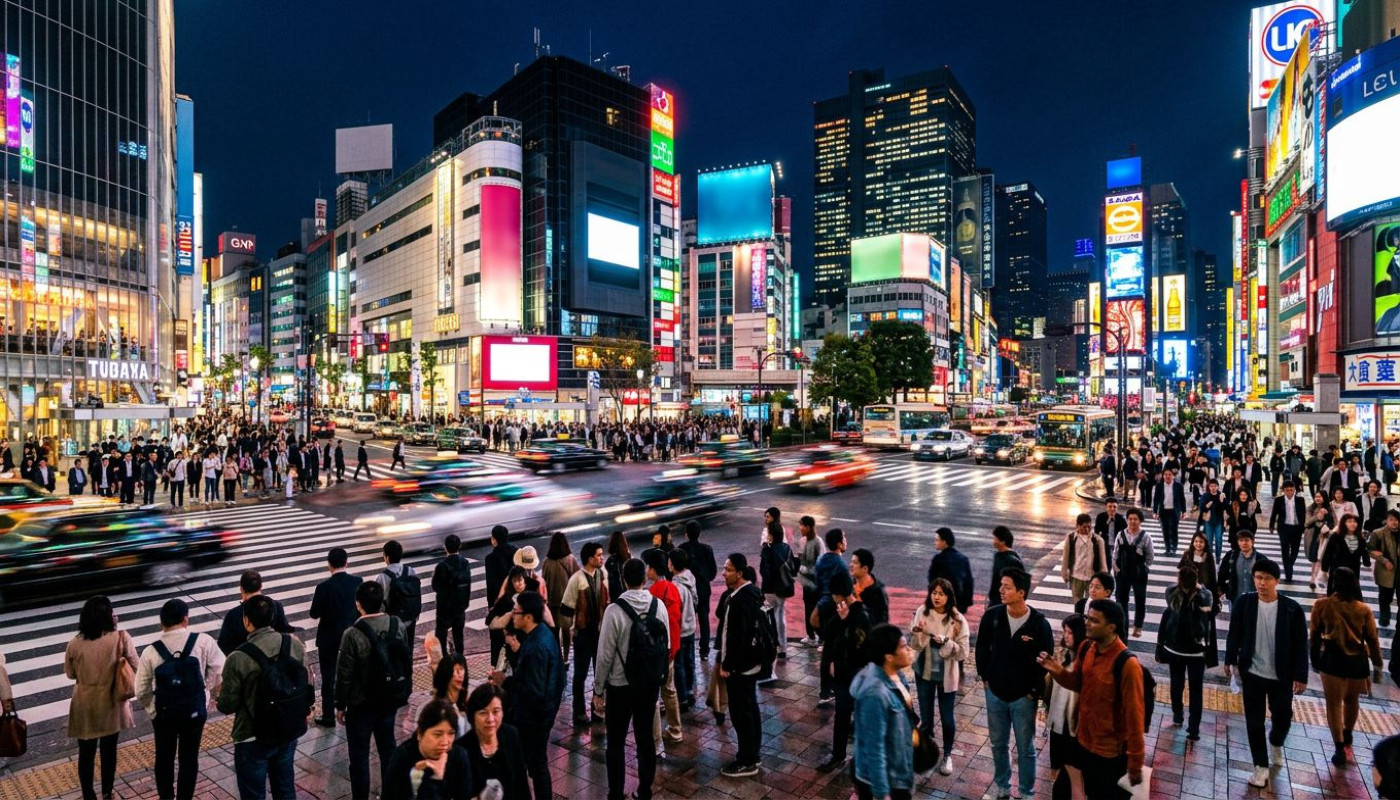
Nighttime travel does not have to revolve around alcohol, and the strongest destinations prove it with variety. In Tokyo, convenience stores, ramen counters and late-night arcades create a city that remains functional, not just festive, while neighbourhood izakayas provide a softer kind of nightlife, anchored in food. In Seoul, 24-hour jjimjilbang spas and cafés turn the night into a social space that can be calm, communal and surprisingly affordable, and in Singapore, where regulation is tighter, night safaris and waterfront districts offer structured experiences that still feel alive.
In Europe, “after dark” often means culture first, then bars. Vienna and Paris have long traditions of late performances, and in summer, cities from Copenhagen to Lisbon fill with outdoor screenings, riverfront walks and night markets that cater to families as much as to partygoers. Even in places known for hedonism, there is usually an alternative night on offer: a late museum opening, a theatre district, a food hall, a skyline viewpoint, or a neighbourhood where the main event is conversation, not volume.
And then there are destinations where night is inseparable from landscape. Desert regions deliver stargazing that can feel like an event, coastal cities offer moonlit promenades and fishing harbours that never fully shut, and high-altitude towns can bring a crisp, quiet nocturne that is its own kind of adventure. For travellers who want that mix of nightlife and depth, Peru’s Andes can be unexpectedly compelling, because evenings are not only for bars, they are for music, markets and a sense of living history, and if you are mapping out ideas for a trip that blends culture with night-time energy, https://www.cusco-spirit.com is one starting point for understanding what an after-dark itinerary can look like around Cusco and the Sacred Valley.
The new battle: noise, housing, transport
Here is the part glossy guides often skip: the global nightlife boom has a backlash, and it is reshaping where visitors can go and what they can do. In many cities, residents are pushing back against constant noise, congestion and public disorder, and local governments are responding with earlier closing times, tougher licensing and stricter enforcement. Amsterdam’s recent moves to curb nuisance tourism, including limitations aimed at reducing disruptive behaviour, became a symbol of a wider European trend, as historic centres struggle with crowds that behave as if the city were an open-air venue.
Housing is part of the same fight. Short-term rentals can hollow out neighbourhoods, and then nightlife concentrates into fewer zones, increasing pressure on those streets and amplifying the conflict between locals and visitors. Transport, too, is a stress test. A city can market itself as “24 hours,” but if it lacks late trains, safe taxi ranks and clear pedestrian routes, the burden falls on travellers, and problems multiply at closing time. That is why urban policy has entered the nightlife conversation so directly, from designated entertainment districts to “night mayor” offices tasked with mediating between residents, businesses and police.
For travellers, the takeaway is practical. A great night out is more likely in places where rules are legible and consistently applied, because predictability reduces friction; you spend less time guessing what is allowed, and more time enjoying the city. It also pays to choose experiences that distribute your spending beyond the most saturated streets, whether that means a live music venue in a less obvious neighbourhood, a late dining district that locals actually use, or a cultural event that ends before transport options vanish. The future of nightlife tourism will belong to cities that can keep the lights on without burning out the people who live there.
How to budget, book and go smarter
Start with timing, because it drives cost. Weekends and major event dates inflate room rates and ride prices, so midweek arrivals often buy you a calmer nightlife scene, shorter queues and better value. If you are booking flights around a “night” destination, check not only arrival times but also the last-mile journey to your accommodation, and do not assume that a late landing equals easy transit. In many cities, the difference between a seamless night and a stressful one is whether you have pre-checked how you will get back after midnight.
Build a budget that reflects nightlife reality: entry fees, coat checks, late-night food, transport surcharges and the occasional price spike when demand surges. In destinations with strong night markets and street food cultures, you can often eat well for less, but in club-heavy cities, small add-ons accumulate fast. A sensible approach is to set a nightly ceiling, then decide where to spend: one ticketed experience you will remember, balanced by low-cost nights of walking, markets or live music in smaller venues.
Finally, look for practical supports. Some cities offer visitor passes that bundle late museum openings or evening transport, and in certain countries there are discounts for students, under-26s or advance online booking. When you are planning a trip that includes night activities, reserve key experiences early, especially during festival seasons, and choose accommodation within a safe, well-connected area, because the cheapest room becomes expensive if you pay for long rides back, or if you cut the night short. A better plan is usually simple: book smart, travel light, and keep your route home as clear as your route out.
Booking the night without overpaying
Reserve a few anchor experiences, set a firm nightly budget, and prioritise accommodation near late transport so you can stay out safely without relying on costly last-minute rides; if discounts exist, they are often tied to advance tickets, student status or city passes, and they can materially lower the cost of evening culture and transit.
Similar articles