Table of contents
Flights are back, crowds are back, and so is the uneasy feeling that travel is turning into a checklist. In 2024, the UN World Tourism Organization said international tourism had returned to 99% of its pre-pandemic level, and with that rebound came familiar pressure on cities, beaches, and budgets. Against this backdrop, “slow travel” is no longer a niche posture, it is a practical response, and it is quietly redefining what adventure means: not more distance, but more depth, more time, and better stories.
Adventure now starts by staying put
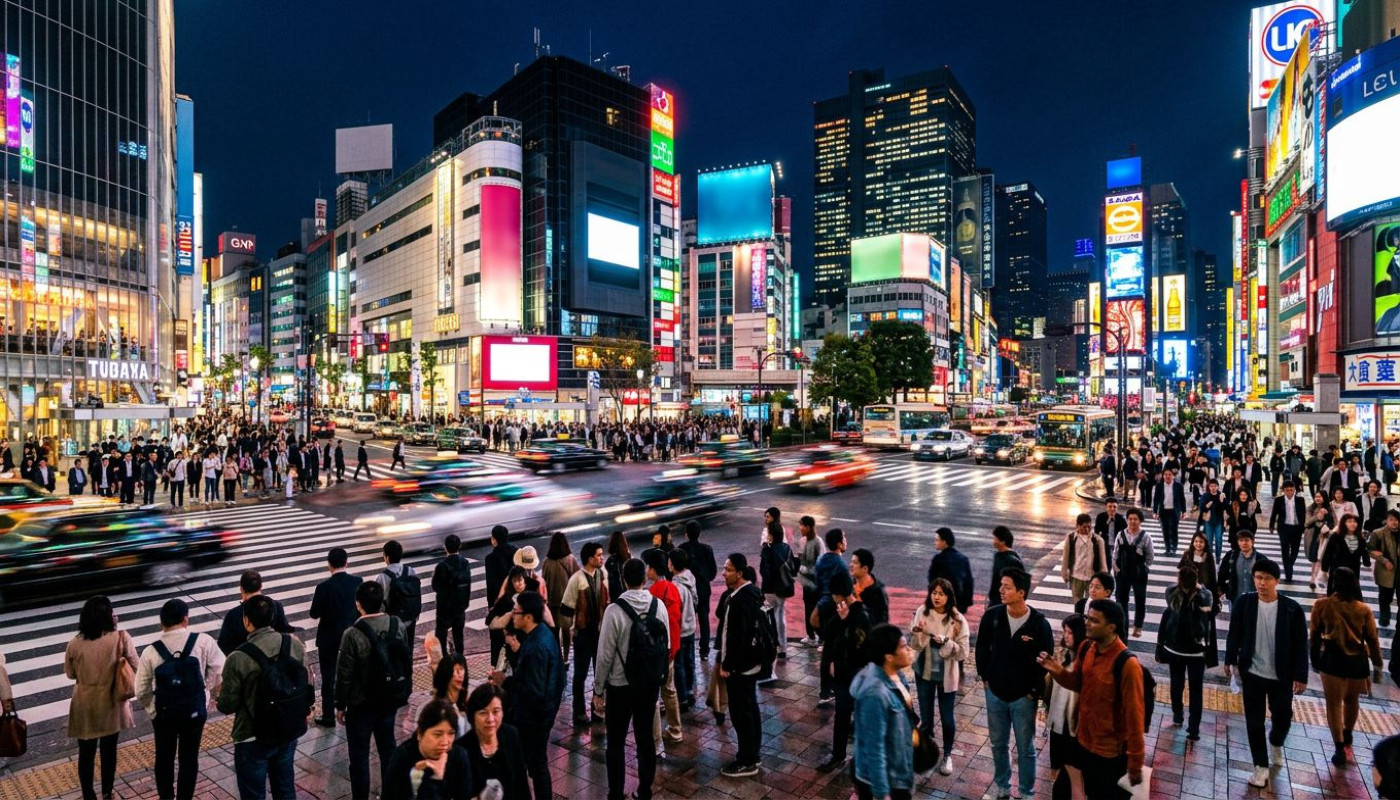
Chasing the next landmark used to be the default definition of adventure, and for years the industry rewarded speed: more destinations, tighter itineraries, the brag-worthy map of pins. Yet as tourism volumes surge again, the romance of constant motion is colliding with reality, from sold-out trains to long queues, and from inflated room rates to the creeping sameness of “must-see” routes. Slow travel flips that logic, asking a sharper question: what if the boldest move is to stop rushing, and let a place reveal itself?
The shift is cultural as much as logistical. Remote and hybrid work have stretched the traditional vacation window, airlines and hotels have made dynamic pricing unpredictable, and many travelers have started optimizing for calm rather than conquest. That recalibration shows up in behavior. Longer stays reduce the number of transfers, the number of decision points, and the number of “tourist hours” lost to transport. It also changes the texture of a trip: you learn the morning rhythm of a neighborhood, you return to the same café until the staff recognize you, and you notice how a city’s mood shifts between weekday and weekend. The adventure becomes relational, built on small discoveries that never appear in a top-10 list, and in that sense it can feel more daring than the controlled thrill of a packed itinerary.
There is also a measurable, systemic argument behind the mood. Tourism scholars and destination managers have long noted that longer average length of stay can ease pressure on infrastructure by smoothing peaks, even when total visitor numbers rise, because fewer arrivals and departures mean fewer choke points. It does not solve overtourism on its own, but it nudges behavior away from the high-friction pattern of “arrive, consume, leave” that concentrates impacts in a narrow slice of space and time. For the traveler, the payoff is immediate: fewer logistics, fewer crowds at the same hours, and more room for spontaneity, which is where many of the best travel memories are born.
Big-data tourism is pushing back
When your phone tells you where to go, are you still exploring? Location-based recommendations, viral short-form videos, and algorithmic “hidden gems” have created a paradox: the more the internet promises uniqueness, the more experiences converge. Cities around the world have seen how quickly a single viewpoint or alley can become a global stage, and while this can bring income to local businesses, it can also strain public space, housing, and daily life. The result is a growing tension between tourism demand and residents’ tolerance, and that tension is increasingly visible in policy.
Europe has become a laboratory for this pushback. Amsterdam has tightened rules for vacation rentals and restricted certain types of tourism marketing, and Venice has moved toward managing day-tripper flows through fees and controls; across the continent, municipalities are experimenting with tools that were once unthinkable in mass tourism. These measures are not anti-travel so much as a recognition that unmanaged volume can erode the very qualities that draw visitors in the first place. Slow travel fits this new reality because it disperses attention, encourages off-peak movement, and rewards curiosity beyond the overexposed “content corridor” that social media amplifies.
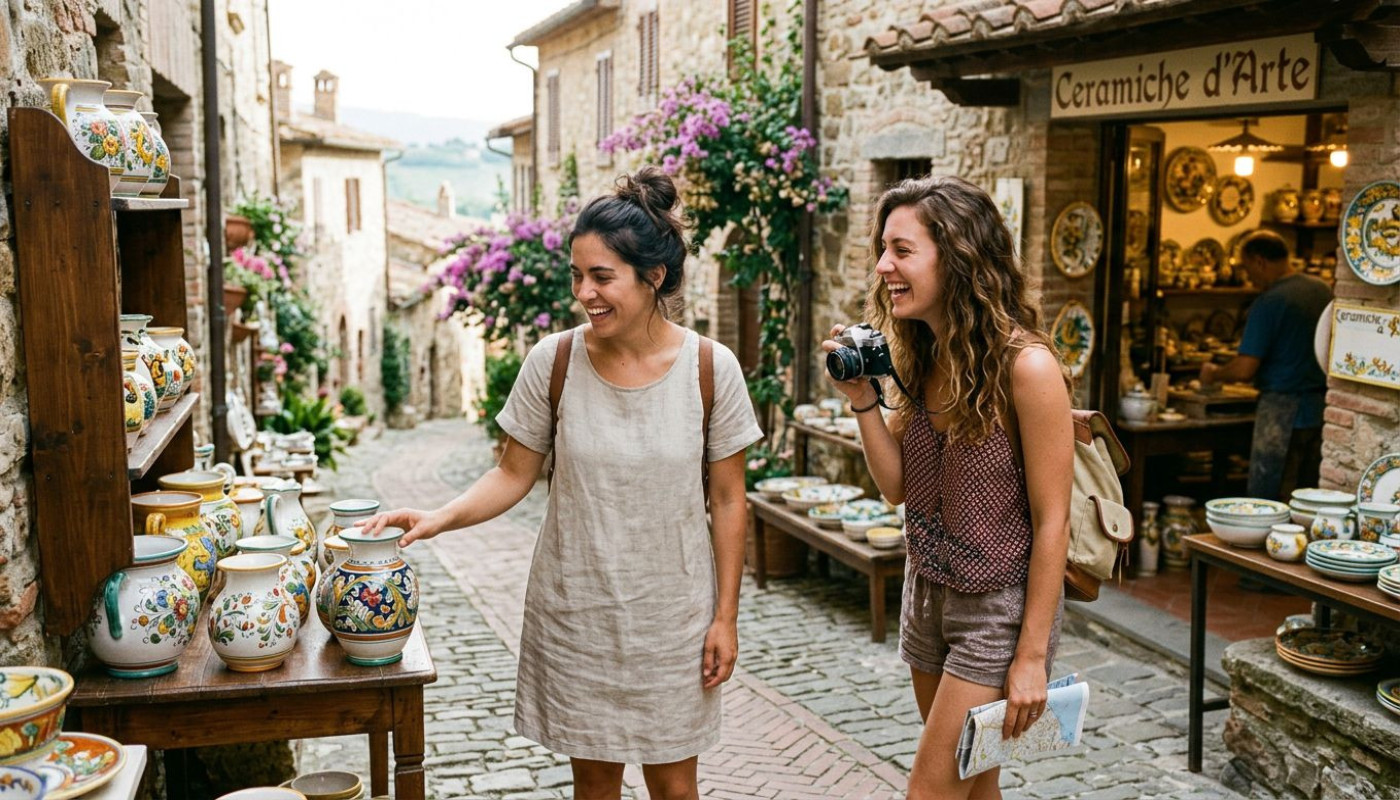
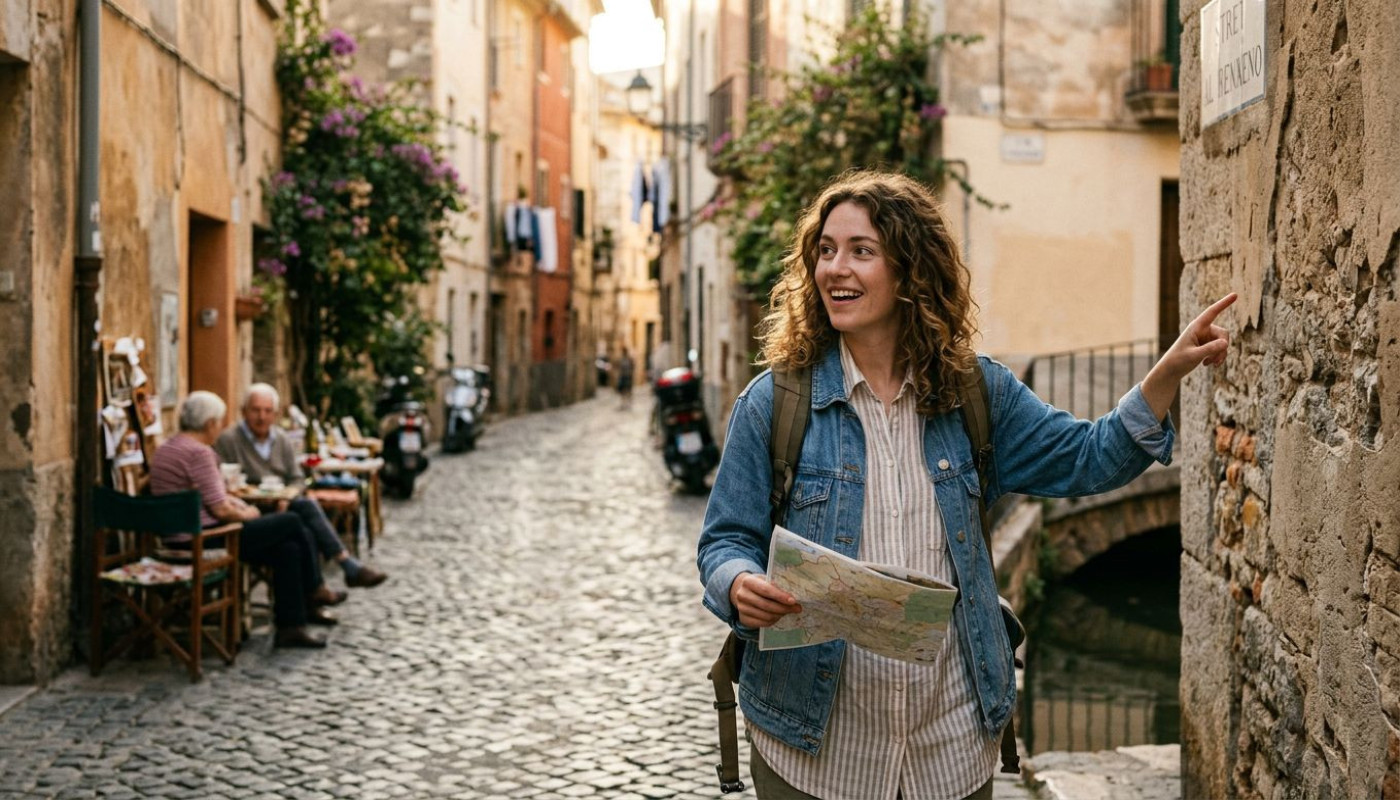
For readers, the practical implication is clear: the most satisfying trips are increasingly the ones that do not chase the same clips everyone else has seen. That does not mean avoiding famous sights, it means reframing them. You can still visit the cathedral, the market, the viewpoint, and do it with intention; the difference is you are not building your days around a sprint from one photo spot to another. You are leaving room to walk without a destination, to take a wrong turn, to follow the sound of music into a small square. In an era of hyper-optimization, that kind of unplanned hour is a luxury, and it can feel like a genuine adventure precisely because it is not pre-approved by an algorithm.
Lisbon rewards the slower tempo
Some places simply work better when you give them time, and Lisbon is one of them. The city’s appeal is not only its headline attractions, it is the way light moves across tiled façades, the way hills force you to choose between effort and a tram ride, and the way neighborhoods shift character block by block. Portugal has also positioned itself as a long-stay destination, with tourism data showing strong post-pandemic momentum, and Lisbon has been at the center of that rebound, drawing both short-break visitors and longer-stay travelers looking for a livable rhythm.
Slow travel in Lisbon is practical, not performative. The compact core makes it easy to build a week around a few anchor neighborhoods, then explore outward in day trips that do not require constant hotel changes. A classic slow itinerary might mean mornings in Campo de Ourique’s markets, afternoons wandering the quieter streets of Estrela, and evenings in Graça when the city cools, and then, only when you feel ready, venturing into the tourist-heavy corridors with a plan to arrive early or late. Outside the center, the city’s rail and regional connections open up the coast and historic towns without the stress of driving, which is one reason Lisbon often appears in conversations about car-light travel in Europe.
The point is not to “do Lisbon” in three days, it is to let Lisbon set the pace. Even popular day trips can be slowed down. Sintra, for instance, is famous for queues and crowded buses, yet it becomes a different experience when you commit to an early departure, pick one or two sites instead of four, and reserve time for the village itself, not just the palaces. The same logic applies to the Atlantic coast: rather than racing between beaches, you choose a base, learn the wind patterns, find the bakery that sells out by noon, and watch how locals use the shoreline when the day-trippers leave. If you are planning that kind of trip, https://www.lisbon-trip.com can be a useful starting point for shaping a stay that favors depth over speed.
Spend less, feel more, stay longer
Slow travel is often described as a philosophy, yet it also has a hard-nosed financial edge. Travel inflation has been uneven, but the pattern is familiar: peak dates cost more, last-minute moves cost more, and the constant churn of transport and check-ins quietly drains a budget. Longer stays can reduce per-day accommodation costs through weekly rates, cut down on paid luggage fees and transfers, and make it easier to eat like a local rather than defaulting to tourist traps between attractions. Even when a destination is popular, a slow approach can make it feel less expensive because you are spending less on friction.
There is a sustainability dimension too, and it is increasingly part of mainstream travel coverage rather than a specialist corner. Transportation, especially aviation, is a major source of travel-related emissions, and while individual choices cannot replace systemic change, fewer flights and fewer intercity jumps do reduce a trip’s footprint. Slow travel also tends to channel money toward smaller businesses, from neighborhood restaurants to local guides, because the traveler has time to seek them out. That matters in places where tourism revenue is unevenly distributed, and where residents feel the costs more than the benefits. Staying longer does not automatically make a visitor “good,” but it often aligns incentives: you become more invested in a place functioning well, and you behave less like a consumer passing through.
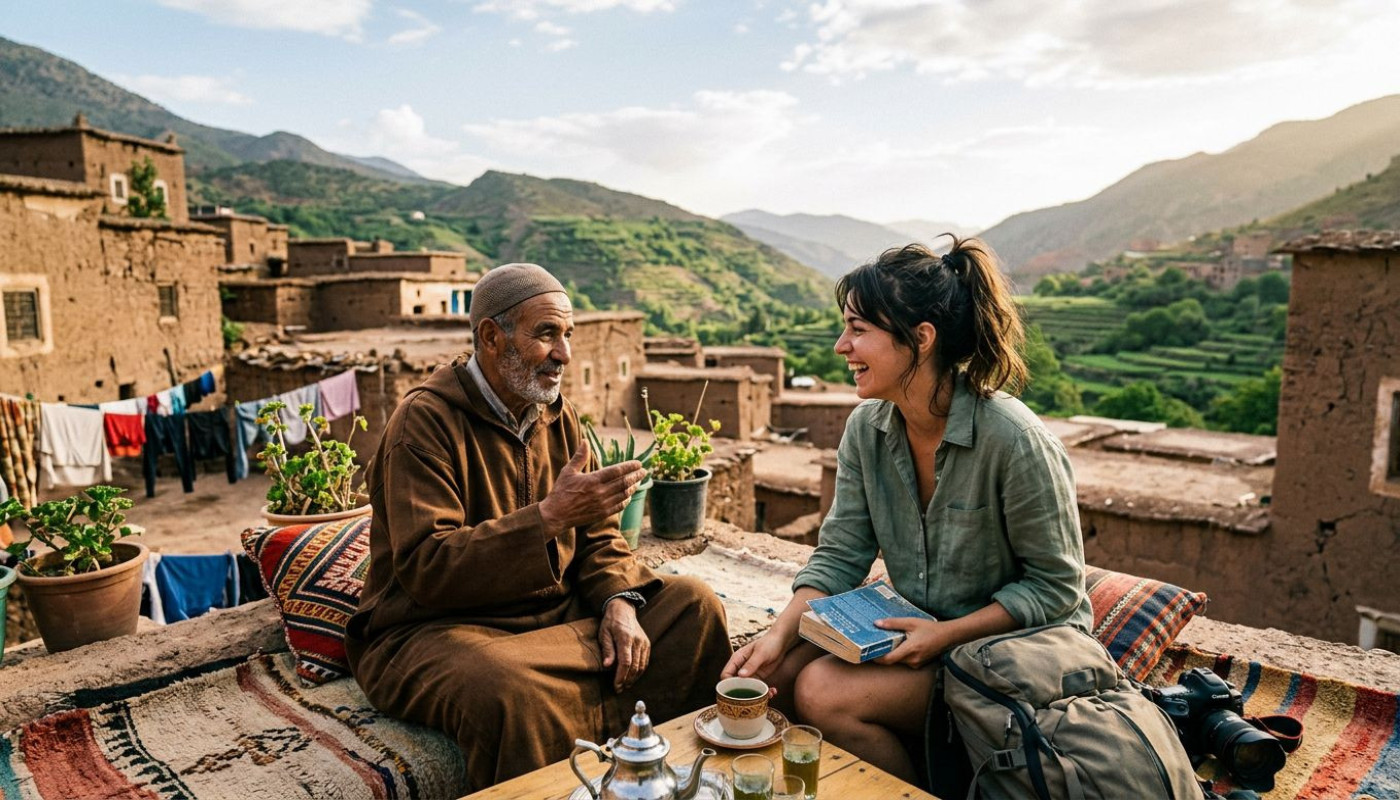
Most importantly, slow travel expands what counts as an adventure. It is not only about adrenalin or novelty, it is about attention, and attention is a scarce resource. When you stop sprinting, you can take risks of a different kind: starting a conversation you would otherwise avoid, trying a dish you cannot pronounce, taking a train to a town you have never heard of because someone at a bar recommended it. These are small leaps, but they are real, and they tend to produce the kind of stories that outlast the trip. The destination becomes more than a backdrop; it becomes a relationship you have had time to build.
Planning notes that make it work
To make slow travel realistic, book the “fixed points” first, then leave space. Lock in accommodation for a longer block, price out weekly rates, and look at shoulder-season dates, because shifting a trip by even a week can change costs and crowd levels dramatically. For Lisbon, consider reserving key tickets in advance for high-demand sites, then plan your days around neighborhoods rather than monuments, which reduces backtracking and makes the city feel smaller.
Budget-wise, prioritize fewer paid activities and more time, and if you are eligible, check youth, senior, or resident-style transport discounts available to visitors on certain services. For day trips, rail is often the easiest option, and booking early can help. The reward is simple: less stress, more texture, and an adventure defined by immersion, not mileage.
Similar articles